
Technology Trends for 2026 reflect pressure from cost control, security risks, speed demands, and shifting user habits. Software grows more independent. Hardware grows quieter but smarter.
Systems talk less and act more. Businesses now seek tools that reduce friction, limit risk, and survive change without chaos. The following Technology Trends already shape roadmaps, budgets, and product planning across global industries.
1. Agentic Artificial Intelligence Systems
Agentic AI marks a break from simple chat-based tools. These systems plan tasks, split work into steps, and act without waiting for repeated commands. Workflows run end to end. Human input stays minimal.
Enterprises deploy agentic AI for ticket handling, data cleanup, and system monitoring. Errors drop as feedback loops improve. Execution speed rises without extra staff.
Key traits shaping adoption:
- Task planning without prompts
- Memory across sessions
- Goal tracking with self-correction
- Safe guardrails for business rules
Technology Trends show agentic AI moving fast inside IT operations, finance back offices, and customer service systems. Risk control remains central. Poor design causes runaway actions. Strong governance keeps outcomes stable.
2. AI-Native Software Development

AI-native software starts with machine learning at the core. Code grows around models instead of adding models later. Product logic adapts in real time.
Development teams rely on AI-native stacks to:
- Predict bugs before release
- Adjust user flows automatically
- Optimize performance during live usage
Traditional apps react. AI-native apps respond. Maintenance costs drop as systems learn from usage patterns.
Technology Trends show strong growth in AI-native tools for analytics, SaaS platforms, and internal dashboards. Teams shift from writing logic to supervising behavior. Testing looks different. Static test cases lose value. Live feedback replaces them.
3. On-Device Artificial Intelligence
On-device AI processes data locally. No cloud call. No delay. No data leak across networks.
Phones, cameras, medical devices, and factory sensors benefit first. Privacy improves. Speed improves. Power usage drops as models shrink.
Common use cases include:
- Face recognition without uploads
- Health tracking on wearables
- Offline translation and speech tools
- Predictive alerts on machinery
Technology Trends show regulation pushing local processing harder each year. Cloud-only models face trust issues. Edge-friendly AI wins in places with weak networks or strict data laws.
4. Post-Quantum Cryptography

Quantum computers threaten older encryption methods. Stored data stays at risk even if attacks arrive later.
Post-quantum cryptography resists future quantum attacks using new math designs. Banks, governments, and defense sectors start migrations early.
Adoption focuses on:
- Secure data storage
- Long-life records
- Identity systems
- Critical infrastructure
Technology Trends indicate slow rollout due to compatibility hurdles. Systems need testing. Hardware upgrades follow. Early movers reduce long-term exposure. Late adopters risk forced, rushed transitions under pressure.
5. Zero Trust Security Expansion

Zero Trust security assumes no access deserves trust. Every request faces checks. Identity, device health, and behavior matter.
Remote work accelerated adoption. Cloud systems demand constant verification. Static firewalls fail against modern threats.
Zero Trust relies on:
- Continuous authentication
- Least-access permissions
- Network segmentation
- Behavior tracking
Technology Trends show Zero Trust spreading into mid-sized firms, not just large enterprises. Tools simplify setup. Breach damage drops as attackers lose lateral movement paths.
6. Edge Computing at Scale

Edge computing pushes processing closer to data sources. Decisions happen near machines, vehicles, and sensors.
Factories use edge nodes for quality checks. Retail stores track stock in real time. Smart cities manage traffic without central delays.
Benefits include:
- Low latency
- Reduced bandwidth costs
- Higher system uptime
Technology Trends reveal edge computing growing alongside AI. Together, they support real-time automation where cloud lag proves costly or dangerous.
7. Digital Twins for Operations

Digital twins mirror physical systems using live data. Models run alongside real assets.
Power grids simulate load stress. Factories test process changes before deployment. Transport hubs predict failures early.
Core advantages:
- Early fault detection
- Safe testing environments
- Predictive maintenance
Technology Trends show digital twins spreading beyond engineering teams into operations and planning roles. Accuracy improves as sensor coverage expands.
8. Autonomous Business Process Automation
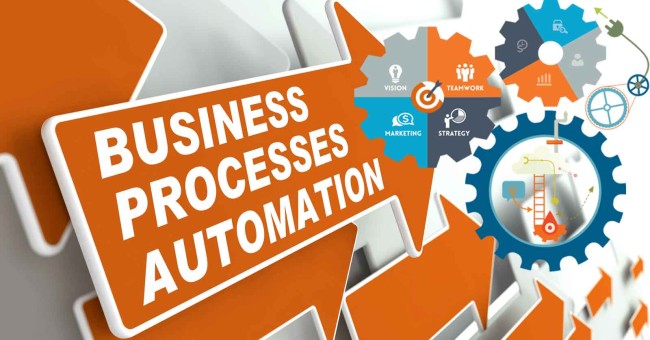
Automation moves past rule-based scripts. Systems now handle judgment calls using trained models.
Invoices get reviewed. Exceptions route themselves. Compliance checks run without pauses.
Autonomous automation handles:
- Approval chains
- Data validation
- Policy enforcement
Technology Trends confirm strong use in finance, HR, and procurement. Human teams supervise rather than process. Productivity rises without burnout.
9. Green Computing Systems
Energy costs push computing toward efficiency. Green computing reduces waste at every layer.
Data centers adopt better cooling. Workloads shift to low-energy windows. Code optimization gains new value.
Green strategies include:
- Power-aware scheduling
- Hardware efficiency metrics
- Carbon tracking tools
Technology Trends show sustainability tied directly to profit margins. Energy waste becomes a financial risk, not a public image issue.
10. Extended Reality in the Workplace
Extended reality blends virtual and physical workspaces. Training becomes immersive. Collaboration feels present.
Engineers repair equipment with guided overlays. New hires train without real-world risk.
XR gains traction due to:
- Lower headset costs
- Better motion tracking
- Improved visual clarity
Technology Trends show XR replacing static manuals and video calls in complex tasks. Adoption favors training-heavy sectors like healthcare, manufacturing, and aviation.
11. Service Robotics Expansion

Robots move beyond factories. Service roles grow fast.
Hospitals deploy robots for supply delivery. Hotels use robots for cleaning and room service. Warehouses rely on autonomous movers.
Robots now offer:
- Improved navigation
- Safer human interaction
- Adaptive task learning
Technology Trends show labor shortages driving robot adoption. Costs fall. Reliability improves. Acceptance grows as designs appear less mechanical, more practical.
12. Data Fabric Architecture
Data fabric connects scattered data without forcing central storage. Access becomes unified. Control stays flexible.
Enterprises benefit from:
- Faster analytics
- Fewer data silos
- Easier compliance
Technology Trends highlight data fabric as a response to hybrid and multi-cloud chaos. Analysts pull insights without waiting on migration projects.
13. Synthetic Data Generation
Synthetic data fills gaps where real data stays scarce or sensitive.
AI models train safely. Privacy risks fall. Bias reduces through controlled generation.
Use cases include:
- Medical research
- Fraud detection
- Autonomous driving tests
Technology Trends show synthetic data gaining trust as quality improves. Realism matters more than volume.
14. AI-Based Cyber Threat Detection

Signature-based security tools lag behind new attacks. AI-based detection watches behavior instead.
Unusual access patterns raise alerts. Insider threats surface earlier.
Key strengths include:
- Adaptive learning
- Real-time response
- Reduced false alerts
Technology Trends show AI security tools becoming standard across cloud platforms. Attack speed forces defense automation.
15. Smart Contracts Beyond Crypto

Smart contracts automate agreements without intermediaries.
Insurance claims process faster. Supply chains track obligations. Payments release automatically.
Expansion areas include:
- Legal workflows
- Logistics tracking
- Subscription billing
Technology Trends reveal enterprise-grade blockchain platforms gaining traction as regulation clarifies usage.
16. Decentralized Digital Identity
Decentralized identity hands control back to individuals.
Credentials stay with users. Verification happens without central databases.
Benefits include:
- Lower identity theft
- Faster onboarding
- Reduced data breaches
Technology Trends show pilots in government services, banking, and education. Adoption depends on trust frameworks and standard formats.
17. Hyperautomation in IT Operations
Hyperautomation links AI, analytics, and orchestration.
Incidents get resolved automatically. Root causes surface faster.
Core results include:
- Reduced downtime
- Lower support costs
- Faster recovery
Technology Trends show managed service providers adopting hyperautomation to scale without staff growth.
18. AI-Powered Search Systems
Search evolves beyond keywords. Context matters.
Enterprise systems retrieve answers, not links. Knowledge bases feel conversational.
Improvements include:
- Intent recognition
- Semantic matching
- Source ranking
Technology Trends show AI search replacing internal documentation sprawl. Productivity rises as employees find answers faster.
19. Neuromorphic Computing Progress

Neuromorphic chips copy brain-like structures. Power usage stays low. Pattern recognition excels.
Early use appears in:
- Robotics
- Vision systems
- Sensor fusion
Technology Trends show research labs pushing limits. Commercial use remains narrow but promising.
20. AI Governance Frameworks
AI growth forces accountability. Organizations define review boards, audit trails, and model monitoring rules.
Governance focuses on:
- Bias control
- Transparency
- Compliance
Technology Trends show governance shifting from theory to practice. Trust now defines adoption speed.
Final Outlook
Technology Trends in 2026 favor independence, efficiency, and trust. Systems act faster with fewer instructions. Security stays built-in. Energy waste loses tolerance.
Organizations that align early gain resilience. Those who delay face rushed decisions under pressure. The year ahead rewards clarity, discipline, and informed adoption over hype.
Also Read: