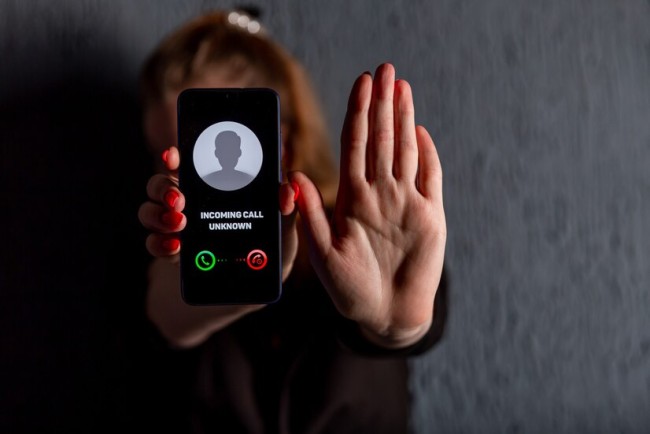
Phone screens flash strange labels from time to time. A call rings, the name line goes blank, and confusion grows. Some phones show No Caller ID. Others show Unknown Caller. Both look mysterious, and both stir a mix of curiosity and tension.
Many assume the labels mean the same thing. Yet the gap between them is bigger than it looks at first glance. One hides the number on purpose. The other means the network never caught the number at all.
Understanding the difference matters because it affects decisions, risk, and privacy. A missed clue can change how a person reacts when the phone lights up.
What ‘No Caller ID’ Really Means
A No Caller ID call normally comes from someone who hides the number using settings or network codes. The action is deliberate. Many phones support quick masking by prefixing a code before dialing, while some network plans hide caller details by default.
A No Caller ID label usually points to:
- Blocked caller information
- Manual code used before the call
- Privacy-focused sender
- Businesses masking outbound lines
- Telemarketers using caller suppression
A few organisations use hidden numbers to avoid callbacks or stop misuse of direct lines. Sometimes a private caller shields identity for personal reasons. The phone receives the call with full data, but the carrier strips the number before passing it to the receiver.
One strong clue stands out: the network knows the number, but it refuses to show it.
What ‘Unknown Caller’ Really Means
An Unknown Caller call behaves differently. The number never reaches the device at all. No masking. No hiding. The network fails to detect, match, or deliver the originating number. The issue may sit deep in routing chains, international networks, or broken systems.
Common sources behind Unknown Caller include:
- Faulty routing between carriers
- Calls from old systems without caller ID support
- Overseas calls with missing metadata
- VoIP calls that never sent proper caller info
- Network outages interfering with caller details
Some calls come from devices that lack caller identity support altogether. Older office systems, outdated PBX units, and some internet-based call tools fall into this category.
A simple rule forms: the network cannot show what it never received.
Why the Difference Matters for Everyday Use
A No Caller ID call brings more intent behind it. Someone made a choice. The caller wants privacy or anonymity. The act may be harmless or suspicious depending on the broader context.
An Unknown Caller call leans more toward a technical gap. A broken route. A carrier mismatch. A foreign number missing details. Some spam systems also use this route, but not through deliberate hiding—more through messy networks that skip proper metadata.
That contrast shapes how people judge the risk. One path hides on purpose, the other hides by accident.
Why Many Organisations Use Caller Masking
Enterprises often use number masking for safety, not secrecy. Customer support teams, delivery agents, logistics workers, and field technicians rarely reveal direct phone numbers to the public. A masked call prevents harassment, protects staff, and maintains a boundary.
Some industries route calls from a central system that blends numbers behind a single outbound identity. The caller reaches a shared call center line, but the return number stays hidden.
Fraud groups also lean on the No Caller ID trick. Conservation of anonymity helps them avoid detection. Scare tactics, phishing attempts, and fake government notices often come from masked numbers. That risk alone makes people nervous when the label appears.
Why Network Errors Trigger ‘Unknown Caller’
Many routes between carriers hop through several middle layers. Signals move from local towers to regional networks to international hubs. When data packets drop or caller metadata fails to attach, the receiving device gets a call without a recognizable identity.
VoIP systems can cause similar gaps. When caller details travel through lower-grade internet paths, the info sometimes arrives incomplete. The device displays Unknown Caller because the carrier has nothing else to offer.
Emergency services, older landline systems, and specialized lines also trigger this label in rare cases.
How Smartphones Handle Both Labels
Modern smartphones apply filters to incoming calls. Some phones can silence numbers with no identity. Others send them straight to voicemail. The choice depends on system settings, apps, and built-in protection tools.
Phones generally treat the two labels differently:
- No Caller ID: The phone sees suppressed identity, so the system may flag it as a masked caller.
- Unknown Caller: The phone sees missing data, so the system treats it as a network-neutral event.
Some apps re-label these calls using their own database or risk-scoring systems. Spam blockers, caller identity services, and security tools analyze patterns and cross-check them with known risk sources.
Security Risks Connected to Both
Masked calls and unidentified calls both carry a shadow of risk. Attackers often hide behind caller suppression to increase fear or trick targets. Fraud attempts rise when the caller hides behind a blank name tag. A sense of urgency is often used to push the receiver into quick action.
Unknown identity calls also create doubt, though for different reasons. Scammers often rely on low-cost VoIP tools that do not attach caller ID properly. Those calls appear with the Unknown Caller label, creating confusion and making the attack harder to trace.
Common risk markers include:
- Sudden demands for money
- Fake parcel warnings
- Forced verification attempts
- Urgent deadlines
- Requests for sensitive information
A sharp rise in voice phishing has made both labels feel more threatening in recent years.
When Blocking Makes Sense
Many phone systems allow blocking based on call type. Blocklists often treat No Caller ID and Unknown Caller differently. Masked calls can be blocked with a simple option in many devices. Unknown calls may require app-based filters or advanced settings.
Blocking makes sense when constant spam calls disrupt peace. Many prefer automatic rejection to avoid dealing with unexpected rings. Some prefer sending them straight to voicemail so they can filter messages later.
A few people rely on third-party apps that scan call metadata and stop high-risk numbers before the phone rings.
How Carriers Are Trying to Reduce These Issues
Carriers worldwide push new identity standards to reduce fraud. Caller identity verification systems, branded caller features, and encrypted metadata exchanges help build trust. Some networks flag suspicious masked calls. Others block known fraudulent routes entirely.
Regulators encourage carriers to tighten controls around caller suppression. Some regions have introduced strict penalties for malicious masking.
Unknown caller issues reduce as carriers modernize older systems and harmonize international routing chains.
Final Thoughts
Phone screens often play tricks with identity. A blank space can hide intent or simply echo a technical issue. No Caller ID signals deliberate suppression. Unknown Caller points to missing data somewhere in the chain. The difference might feel small, yet it shapes how people perceive risk and trust.
Caller identity matters more now than ever. Fraud, spam, and digital deception rise fast, and anonymous calls fuel that tension. Understanding these two labels helps people stay sharp when the phone rings and a silent name greets them.
Also Read: